About Ithaca
Empowering youth to explore the future through engineering, AI, and entrepreneurship.
Our Mission
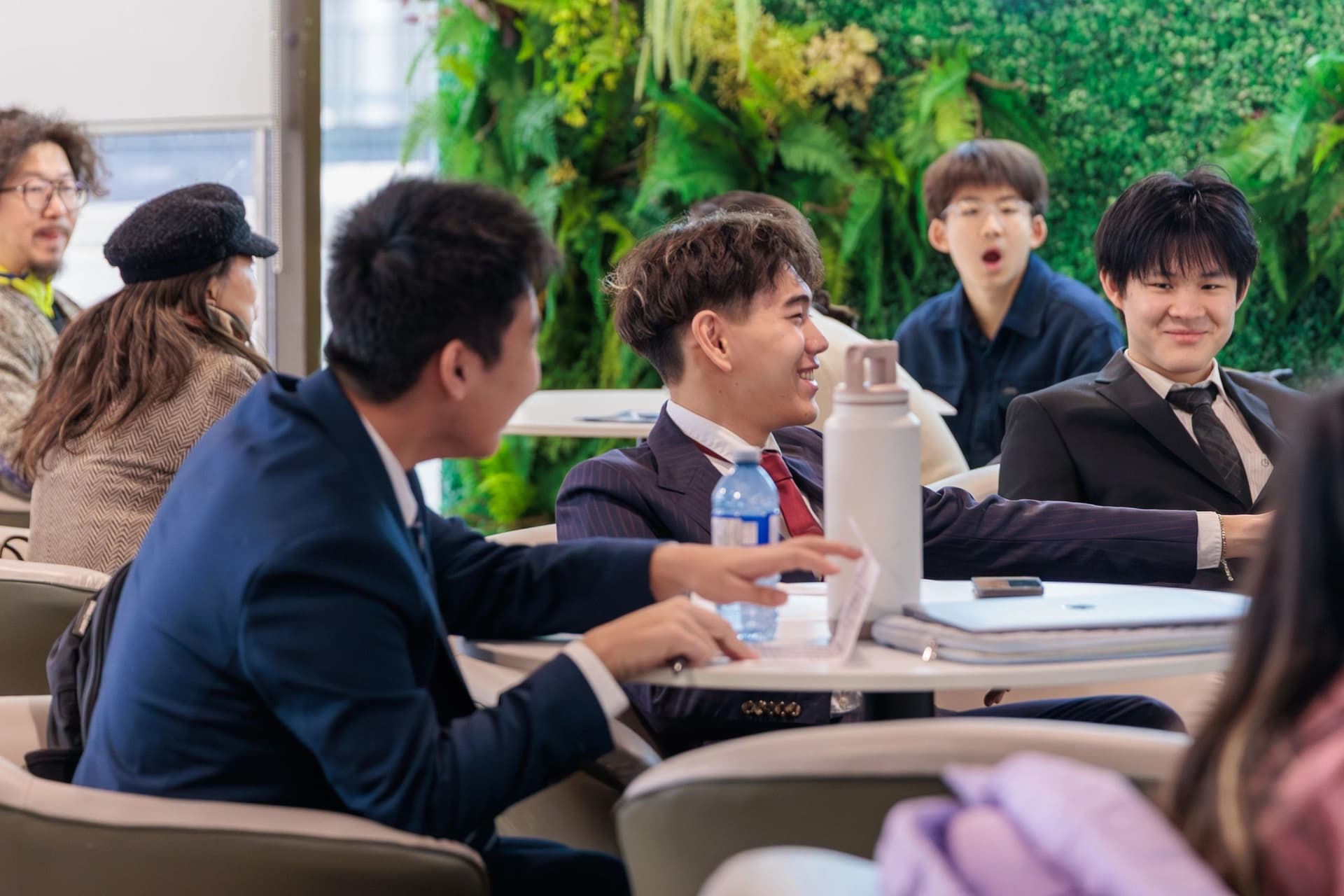
Ithaca empowers young people to explore the future and supports the next generation to take on responsibility in this fast-evolving world.
We help teens explore the future.
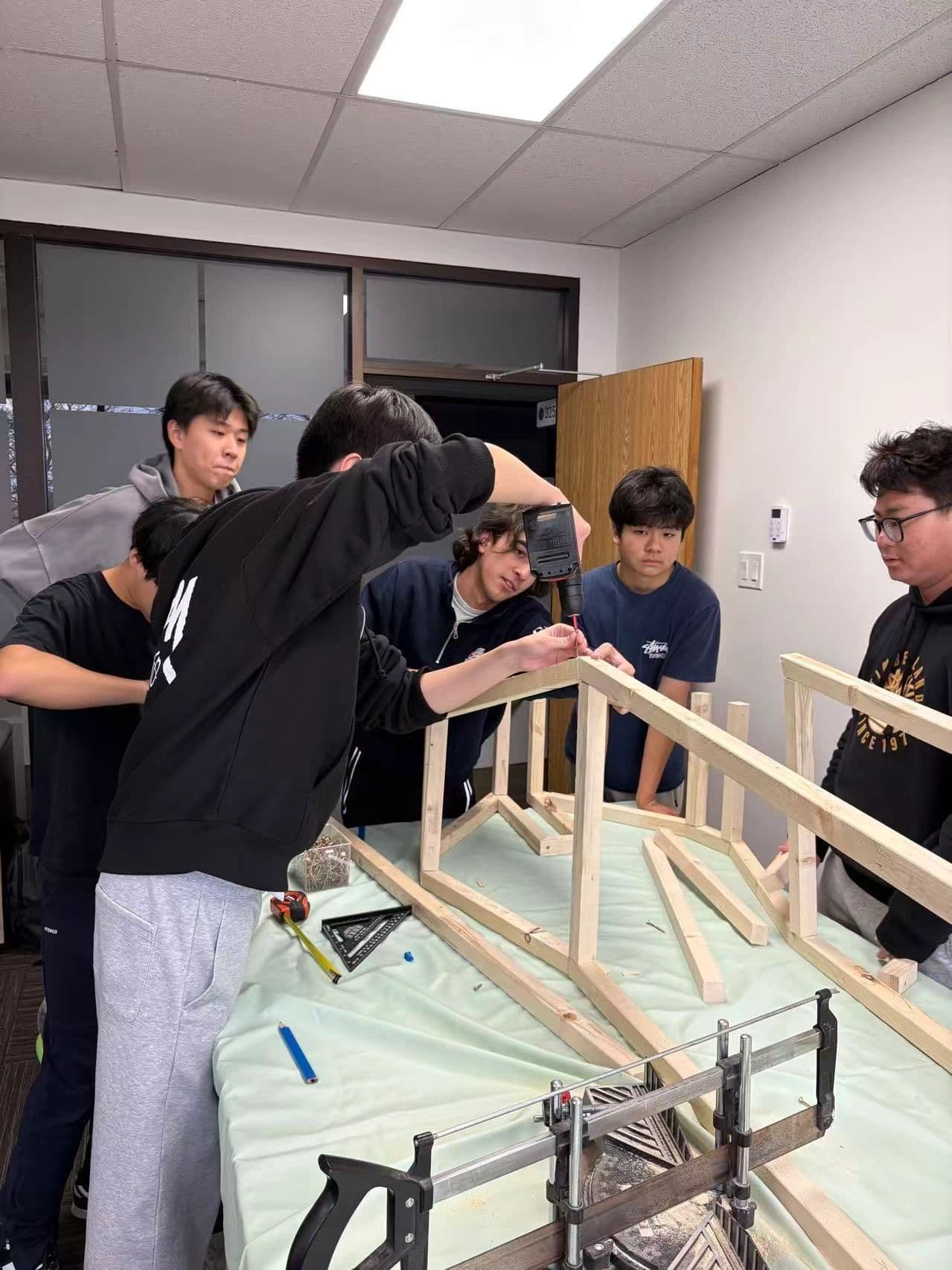
We guide students through real-world projects where they learn by building, testing, collaborating, and presenting. They discover their strengths and a direction that is truly their own.
Students are project owners.
We use Project-Based Learning to connect learning with real-world problems and develop practical skills that traditional academics alone cannot fully cover.
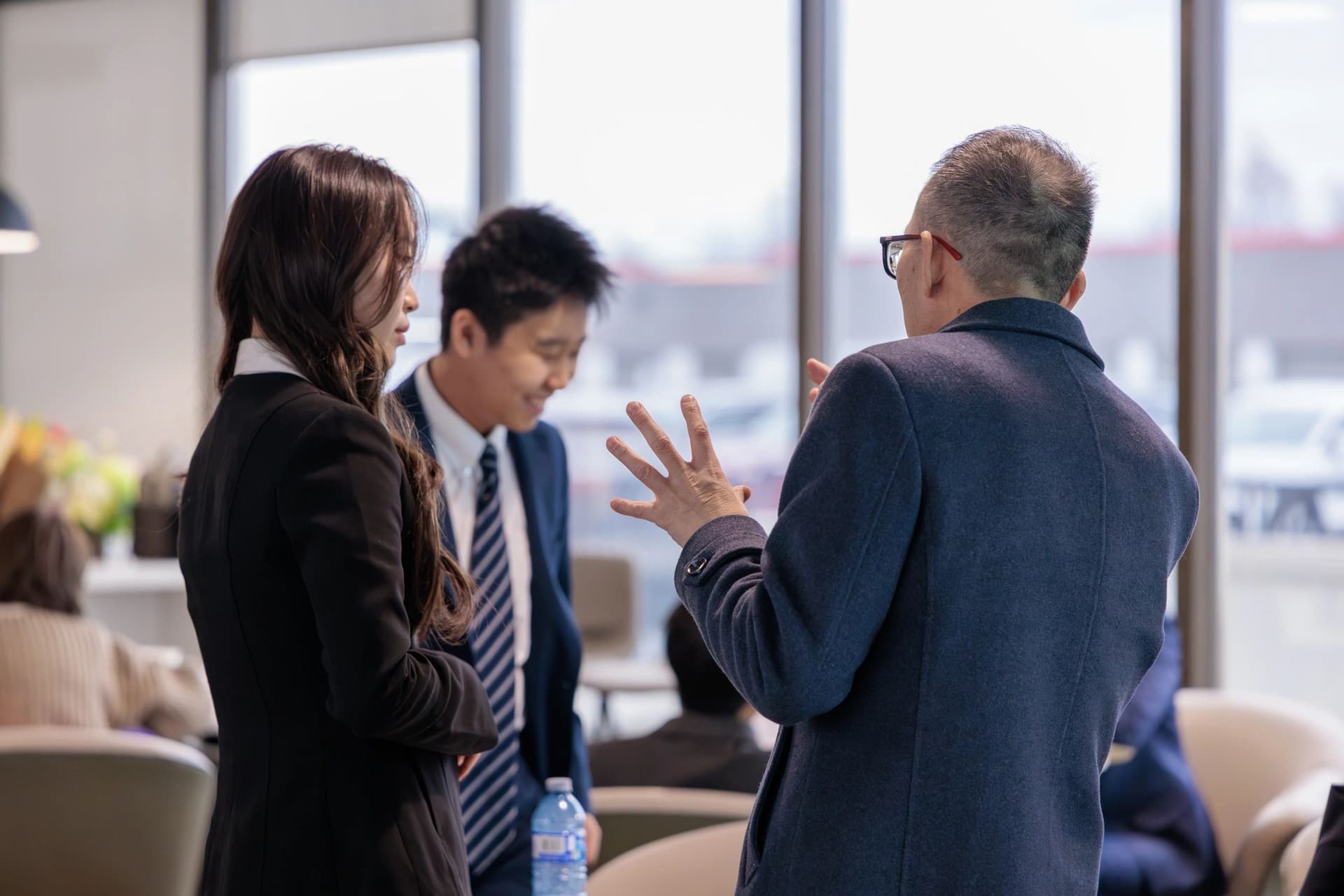
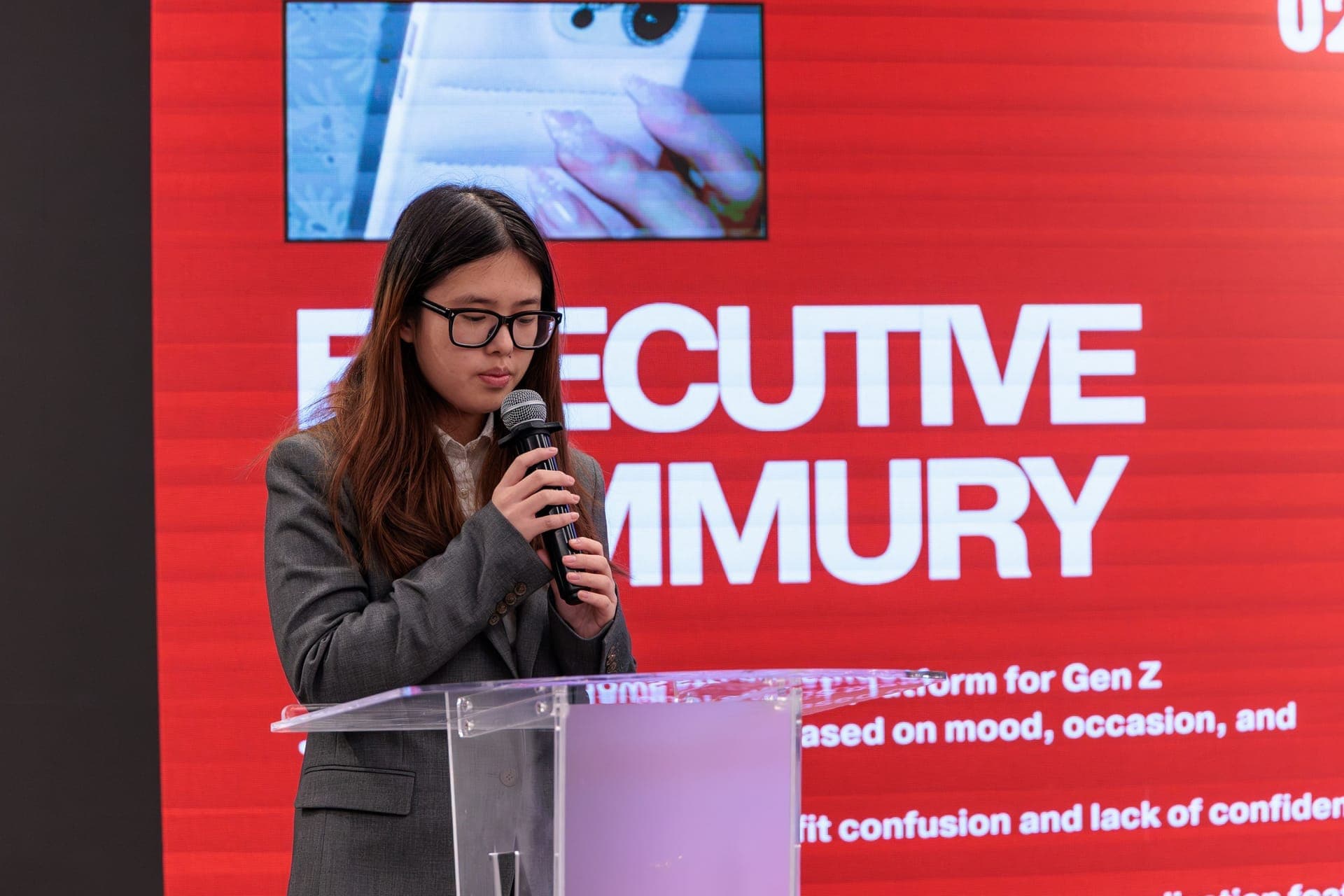
We value social impact and AI ethics.
Students learn to use AI responsibly, cite properly, and build work that can be explained and defended through transparent review and public showcase formats.
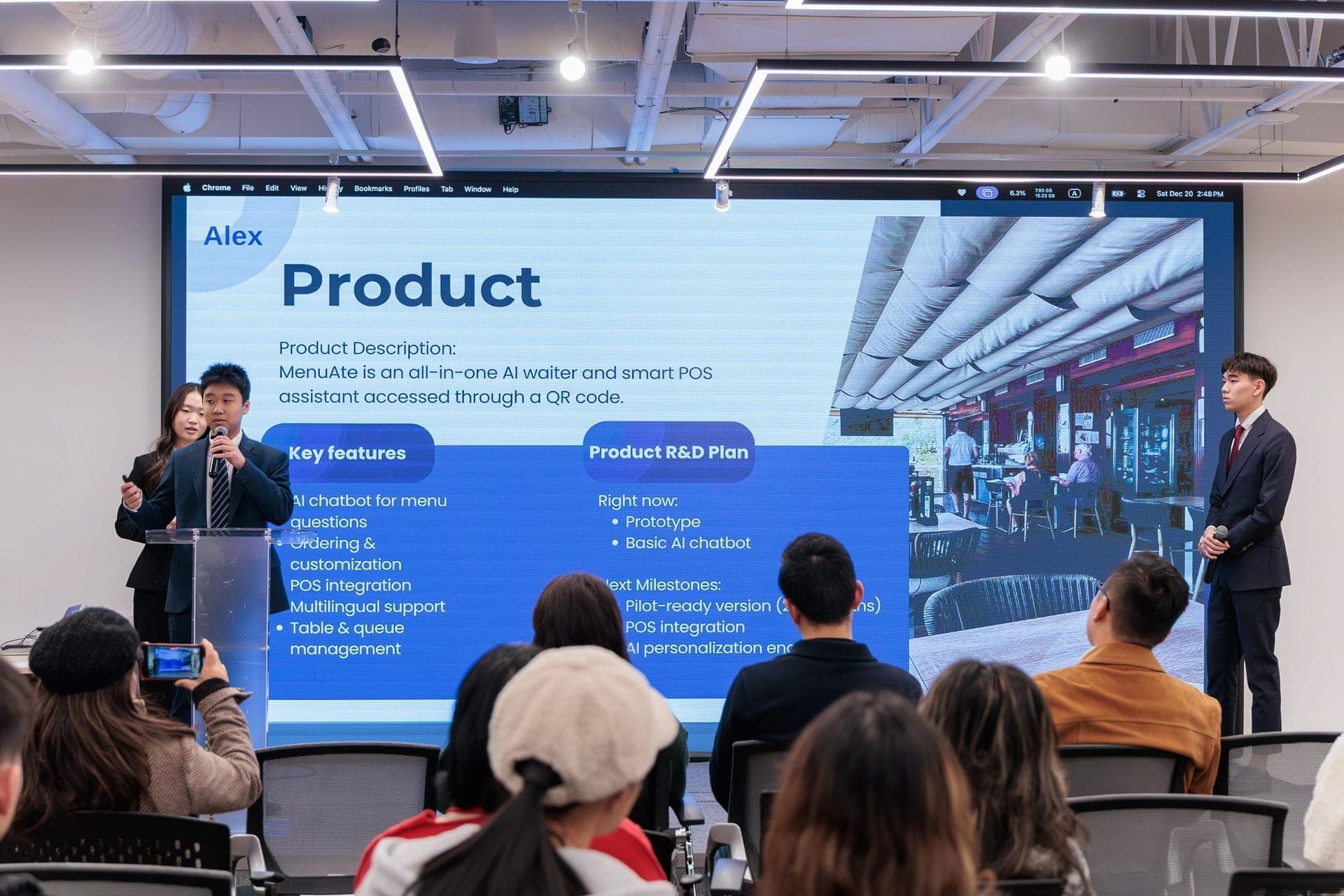
How We Teach
We teach through a studio-style, project-based model where students learn by building. Each cohort works in small teams with clear weekly milestones, structured mentoring, and frequent technical reviews.
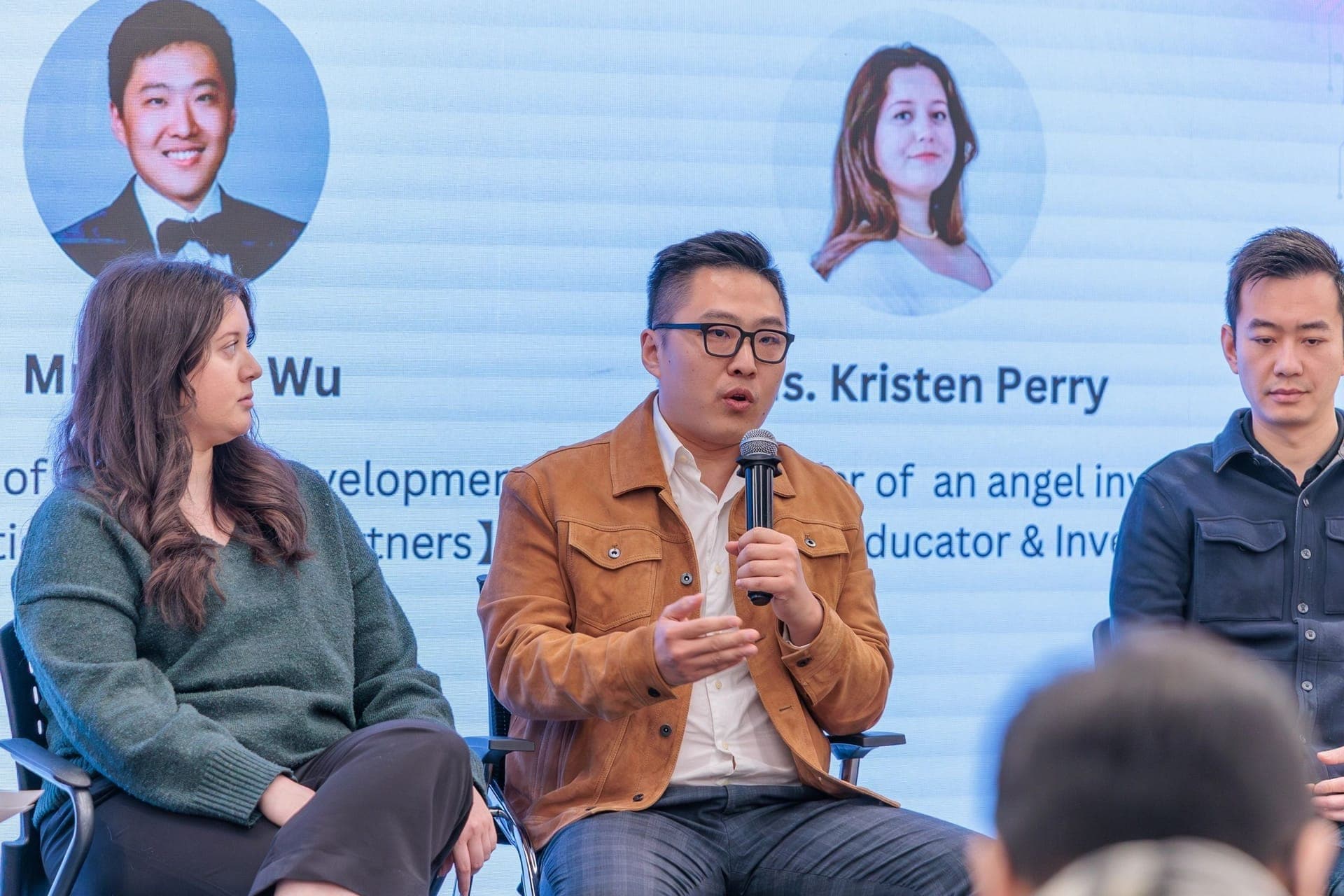
Ethics & Integrity
We hold a high bar for safety, academic honesty, and responsible technology use. Students learn to cite sources properly, document AI-assisted work transparently, and maintain design logs that can be reviewed through demonstrations and Q&A.
DECAB Competency Map
Our framework tracks student growth across five dimensions, ensuring balanced development in technical depth, applied reasoning, and real-world execution.
Design & Principles
Creative problem-solving, system design, and design thinking.
Electrical Engineering
Circuit design, electronics, and hardware prototyping.
Computer Programming
Software development, algorithms, and computational thinking.
Application of Math & Physics
Applied reasoning with real-world math and physics.
Business & Communication
Collaboration, pitching, and professional communication.
Our Programs
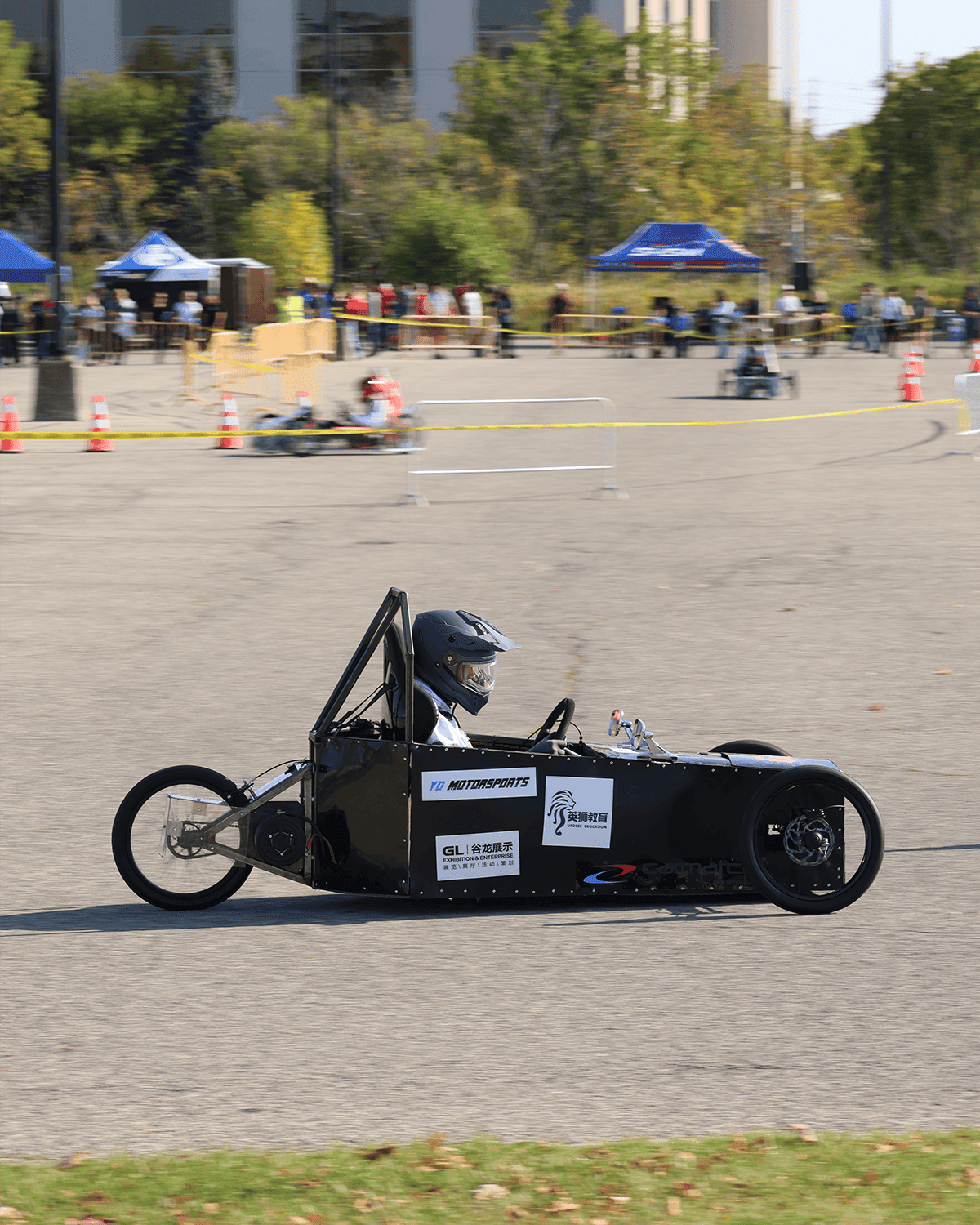
Student Outcomes
Every program is designed around what students take away, not just what they sit through.

Portfolio-Ready Deliverables
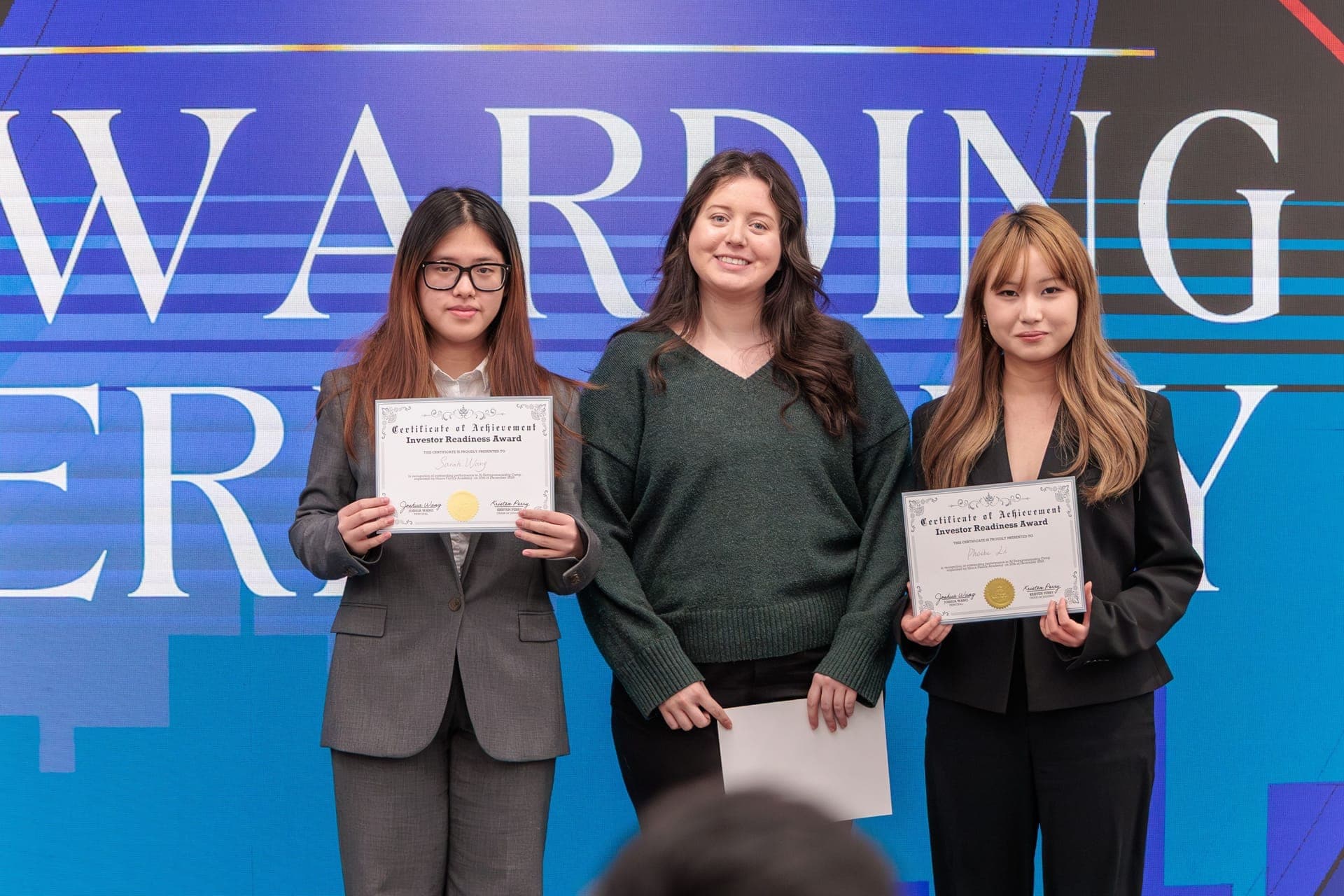
Students graduate with tangible artifacts: prototype demos, project reports, and presentation materials for applications and competitions.
Engineering & Systems Thinking
From building and testing to iteration, students develop the habit of reasoning with structure, constraints, and real-world tradeoffs.
AI Literacy with Responsibility
Effective and ethical AI tool usage, with proper citation, process documentation, and defensible decision-making.
Business & Validation Mindset
Problem definition, user understanding, and basic business logic: learning how value is created and communicated.
Collaboration & Leadership
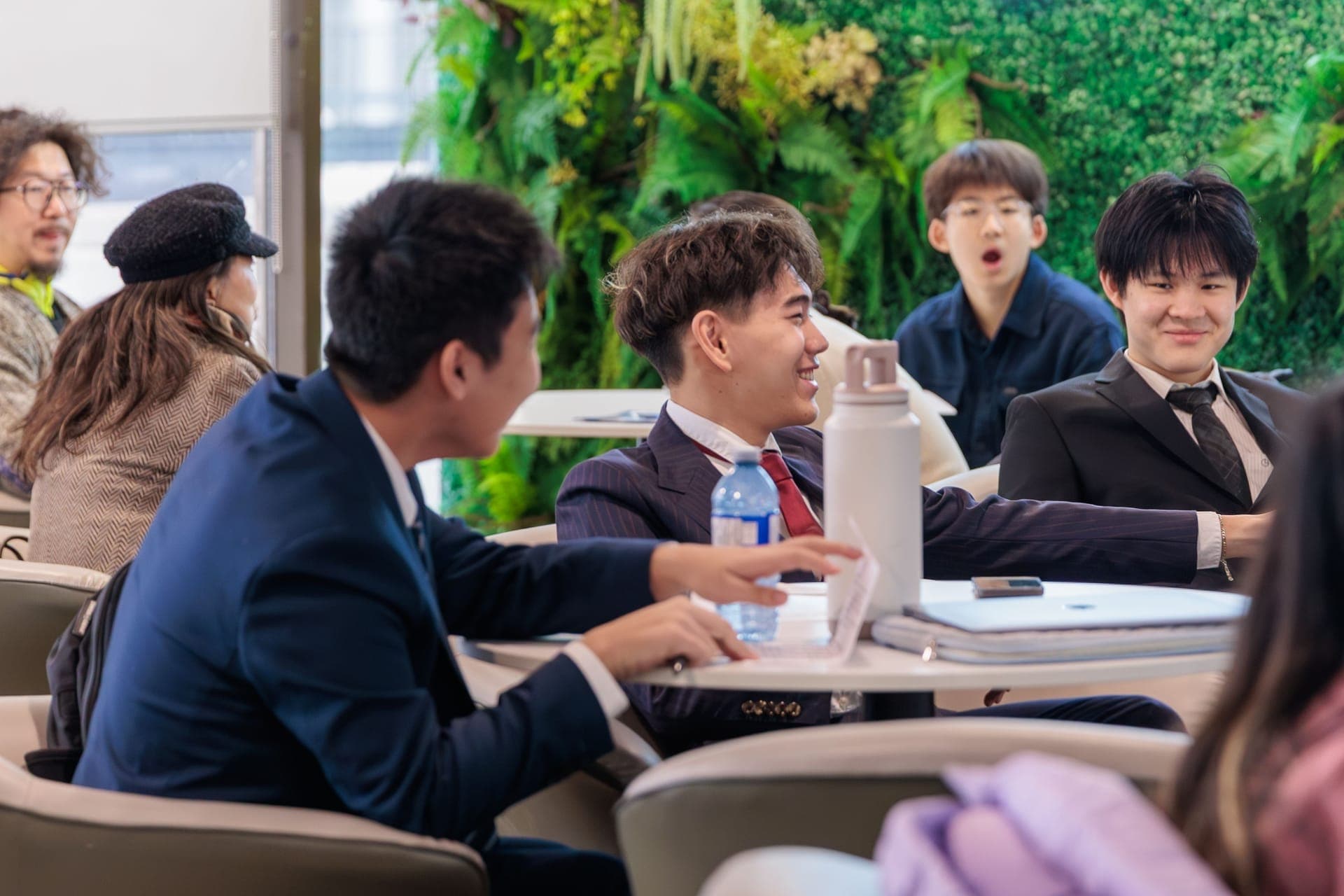
Through team roles and real deadlines, students build collaboration habits beyond traditional classroom settings.
Communication & Pitch Skills
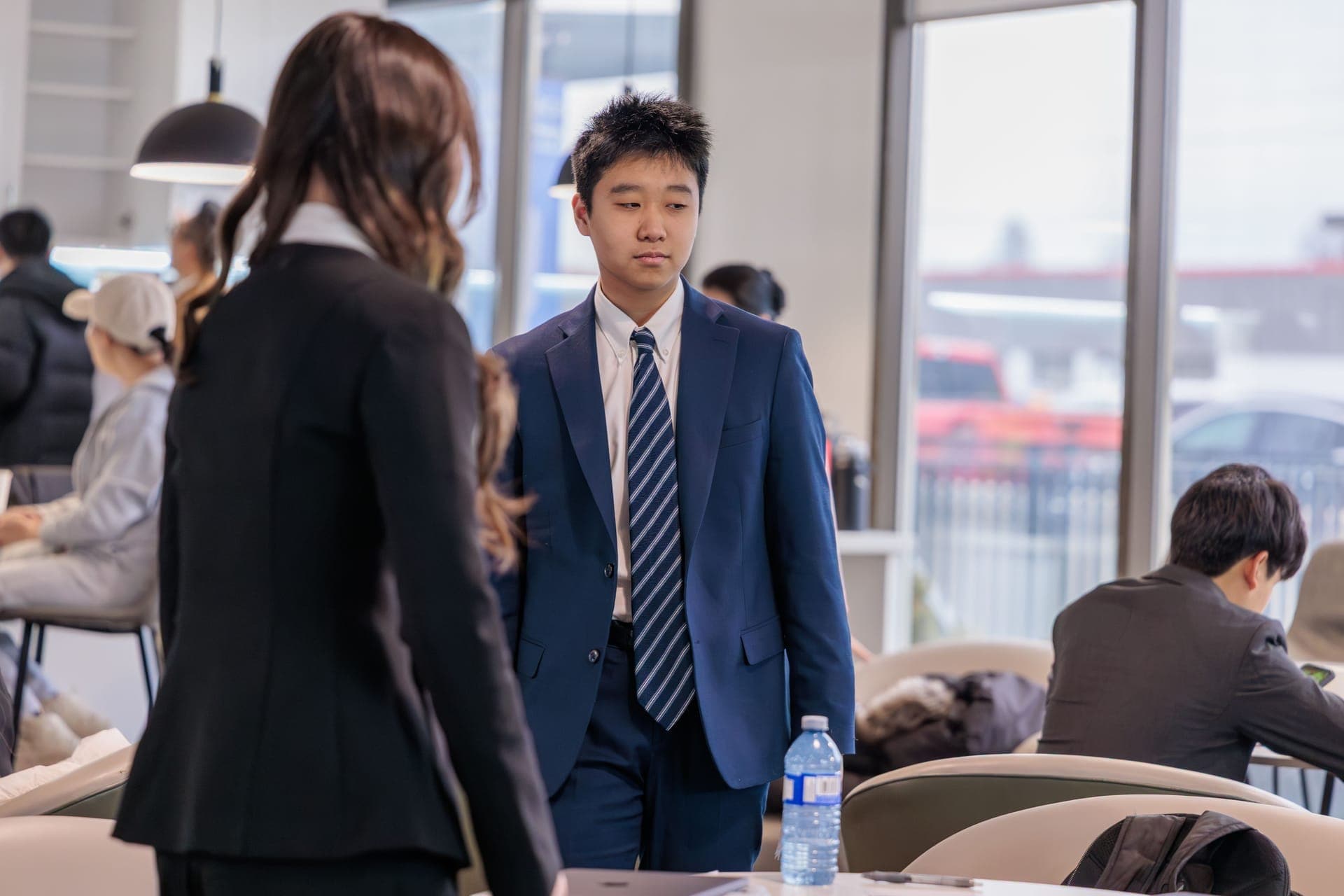
Clear presentation under time pressure, handling questions, and telling a coherent story from problem to solution.
Student Highlights
Andy Song
AI Pioneers Interview Project
Andy interviewed Mr. Carlos Orencio Horta, Director of AI at Scotiabank, and Mr. Tanaby Zibamanzar, Director of Data Analytics. Andy graduated from high school in June 2025 and began his studies at Princeton University in September 2025.
Students visited Honda's production line to learn about AI in car manufacturing.
Hands-on experience in the EV workshop.
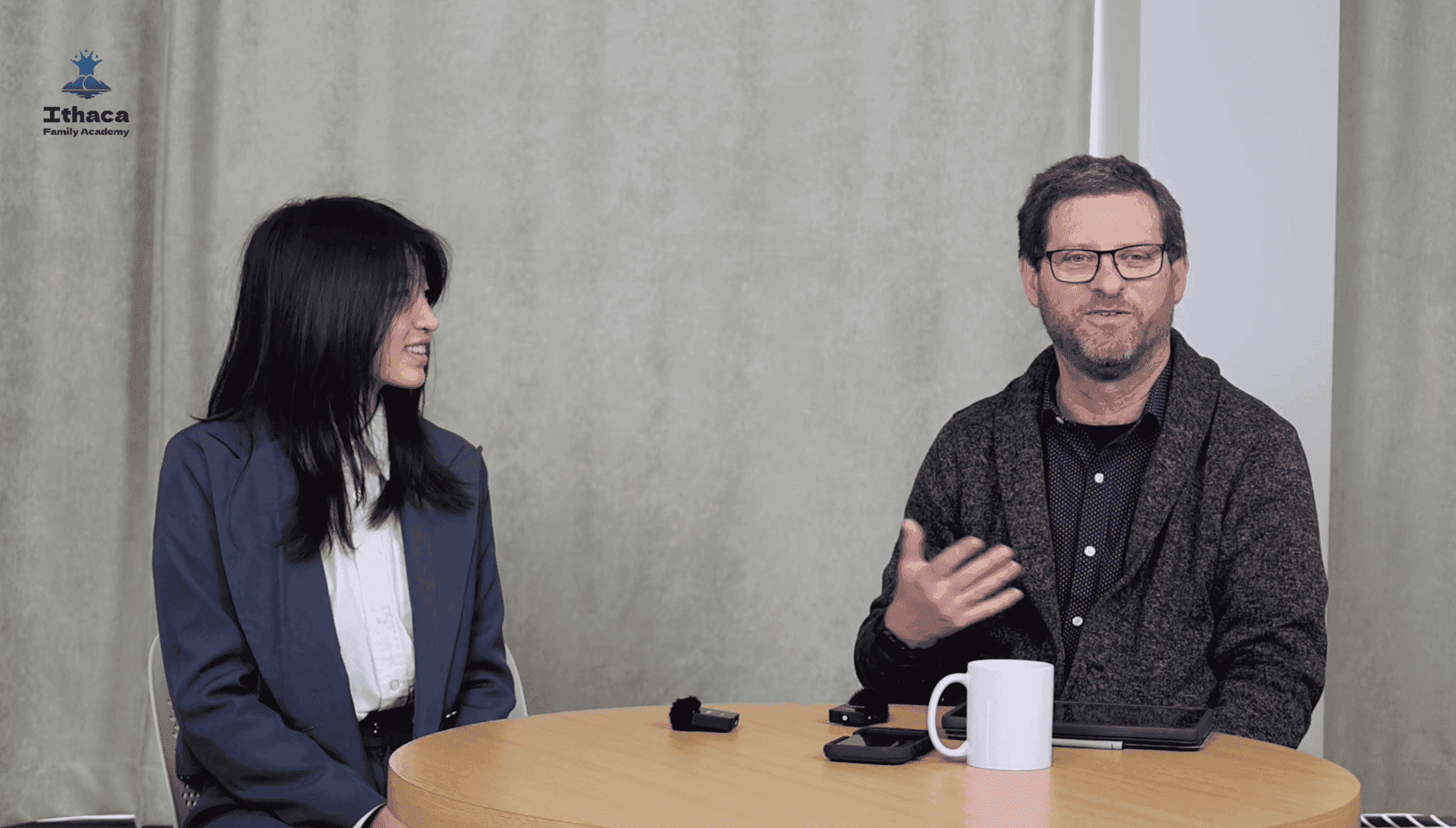
Interview with Dr. Teertstra, Faculty of Engineering, University of Waterloo.
Community Spotlight


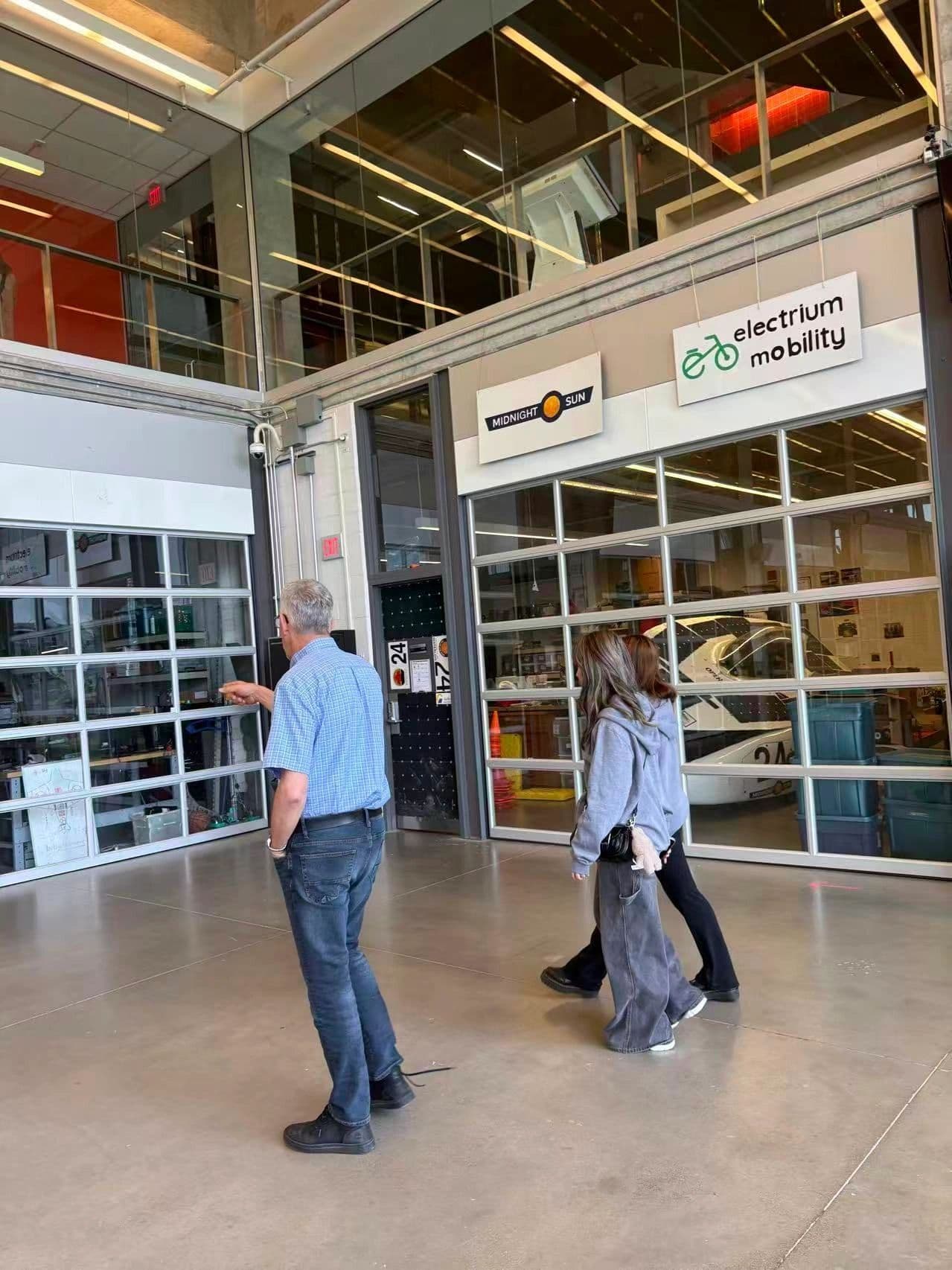
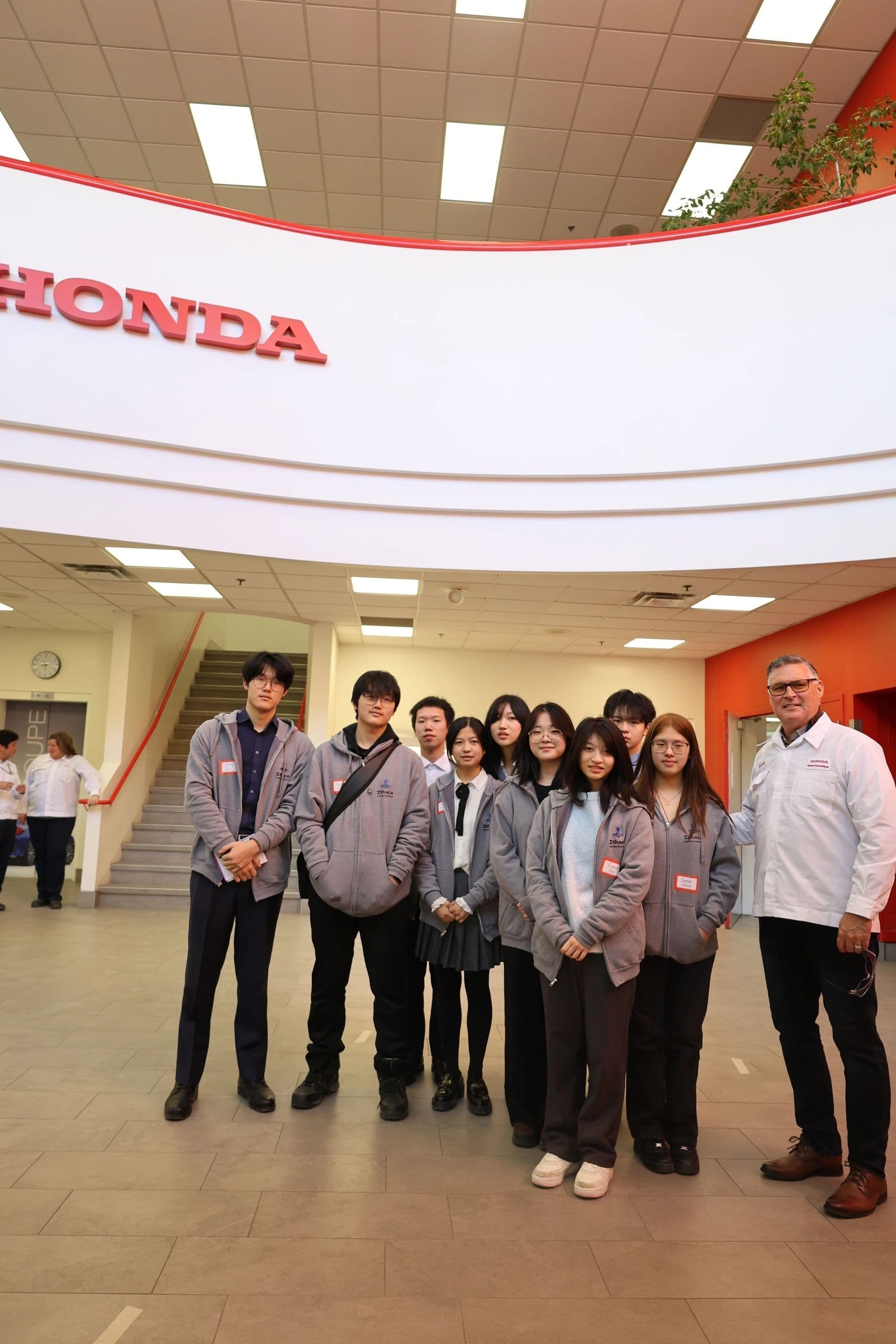
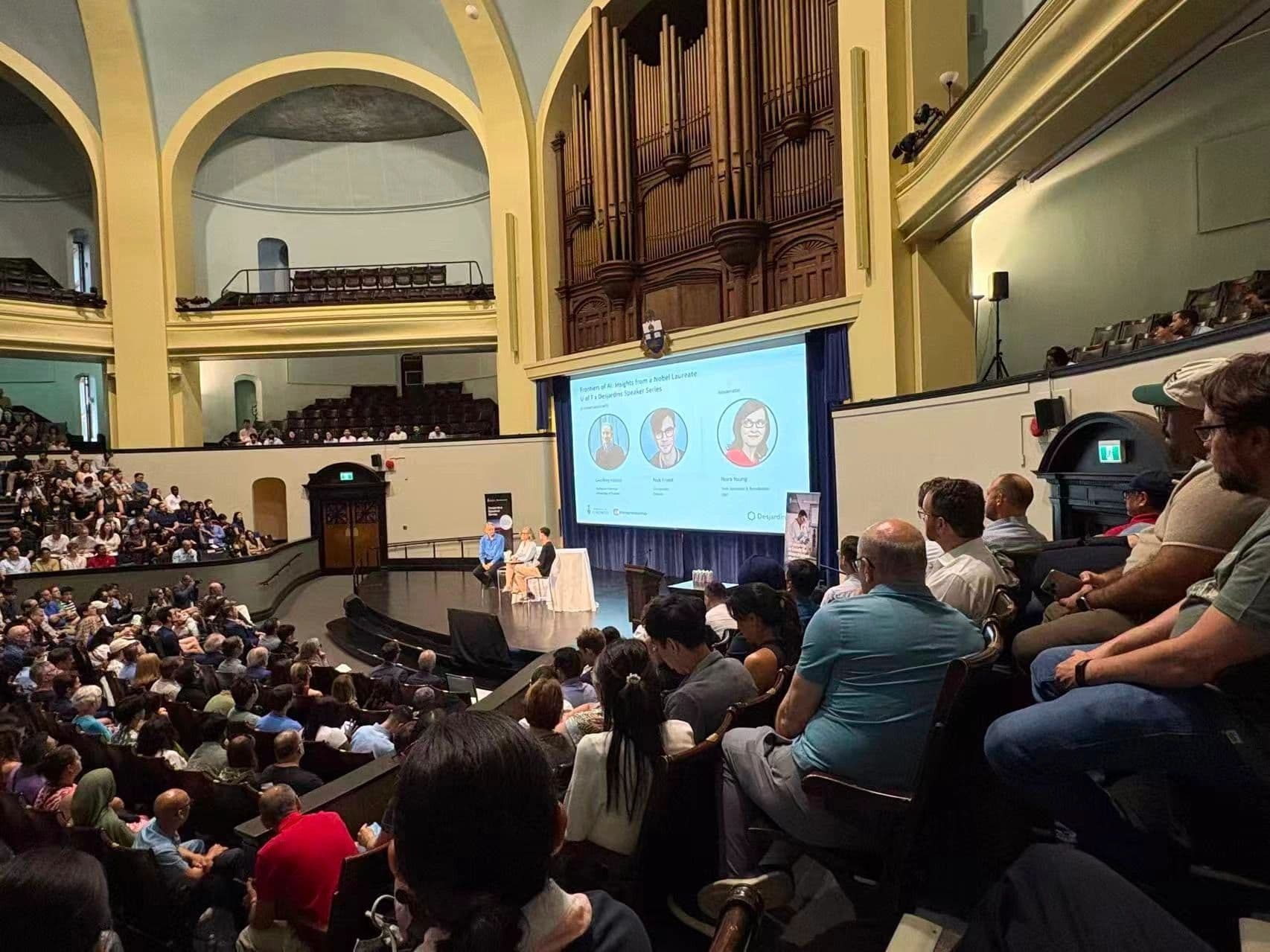
Dr. Peter Teertstra, Professor at the Faculty of Engineering, University of Waterloo, and Director of the Sedra Student Design Centre, leading the Ithaca students on a tour.
Team & Mentors
Our team combines classroom expertise with industry experience to guide students through real-world challenges.
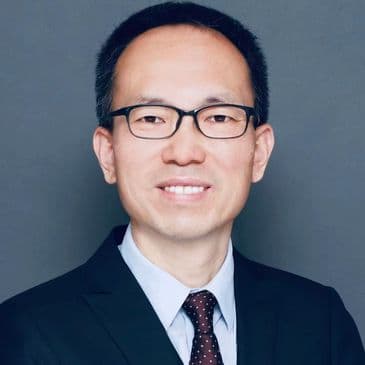
Mr. Joshua Wang
Founder & Principal
Mr. Joshua Wang was an editorial writer of leading business media, adjunct professor at universities.
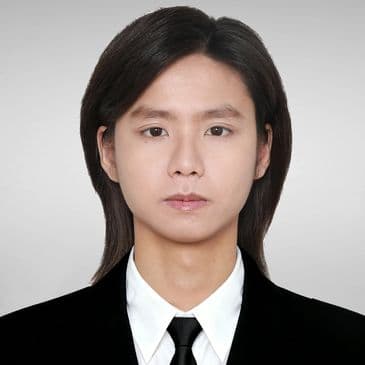
Mr. Jadyn Wu
Dean of Education & Technology
Focusing on AI and Engineering Education for Youth

Ms. Kristen Perry
Mentor of Business Module
Ms. Kristen Perry is a founder, educator, and investor who focuses on supporting entrepreneurs looking to tackle complex global challenges.

Mr. Grant Bourne
EV Program Lead & Coach
2025 Pirelli GT4 Champion

Join Us
Educators & Instructional Leads
Our teaching team blends classroom expertise with hands-on engineering practice. Instructors guide students through core concepts, workshop safety, and disciplined project execution.
Industry Mentors & Guest Experts
We invite professionals from engineering, AI, and related industries to mentor, review student work, and share real-world perspectives.